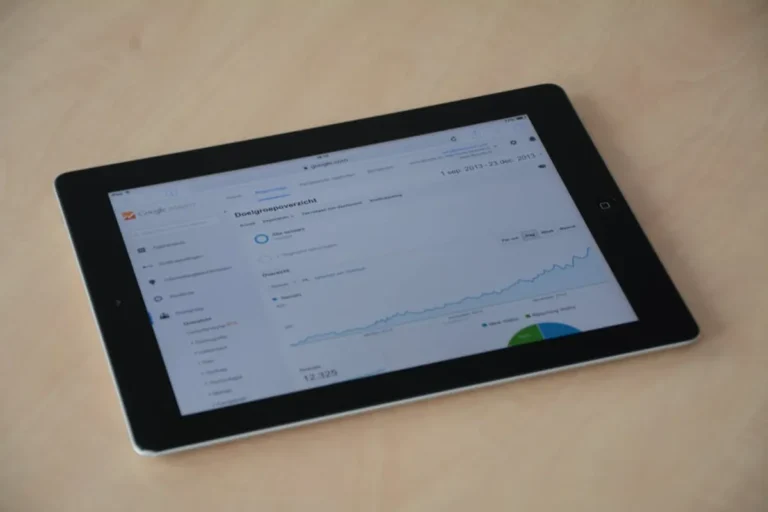
Understanding where a website stands in search engine results pages (SERPs) is fundamental for any digital strategy aiming for organic visibility. A SERP rank checker provides this critical insight, offering a quantifiable measure of a site's performance for specific keywords. For SEO professionals, marketers, and site owners, manually verifying positions across numerous keywords and geographical locations is impractical and time-consuming. This is where a dedicated rank checker becomes indispensable, automating the process to deliver accurate, consistent data that informs strategic decisions. The utility of such a tool extends beyond mere curiosity; it underpins competitive analysis, content optimization, and the overall assessment of SEO campaign effectiveness.
Understanding the Purpose of a SERP Rank Checker
At its core, a SERP rank checker is a software solution designed to identify and report the organic search position of a website for a predefined set of keywords. These tools simulate search queries from various locations and devices, then record the ranking of the target domain. This automated process replaces the unreliable and labor-intensive manual checking that often yields inconsistent results due to personalization and location biases inherent in direct search engine queries. The data gathered provides a clear, objective snapshot of a site's visibility, which is crucial for evaluating SEO efforts.
Strategic Value in Monitoring Search Positions
Monitoring search positions offers several distinct strategic advantages that directly impact commercial outcomes. It moves beyond anecdotal evidence to provide concrete data points for performance assessment and future planning.
- Performance Tracking: Consistent rank tracking measures the impact of SEO changes. An increase in rankings for target keywords indicates successful optimization, while declines signal potential issues or competitive shifts that require attention. This allows for direct correlation between SEO actions and their outcomes.
- Competitive Analysis: By tracking competitor rankings for shared keywords, businesses can identify who dominates specific search landscapes. This insight helps in understanding competitor strategies, discovering new keyword opportunities, and benchmarking performance against industry leaders.
- Content Optimization: Ranking data reveals which content pieces are performing well and which require improvement. Pages ranking on the second or third page of results, for example, might be strong candidates for further optimization to push them onto the first page, where click-through rates are significantly higher.
- Identifying Opportunities and Threats: Sudden drops in rankings can indicate algorithm updates, technical SEO issues, or aggressive competitor campaigns. Conversely, unexpected gains can highlight emerging keyword trends or successful content initiatives that can be further leveraged.
- Reporting and Stakeholder Communication: Rank tracking provides tangible metrics for reporting SEO progress to clients, management, and other stakeholders. This quantitative data demonstrates return on investment and justifies ongoing SEO expenditure.
Essential Features for Effective Rank Tracking
When evaluating solutions for checking search positions, specific features differentiate effective tools from basic ones. These capabilities directly influence the depth of insight and the actionability of the data provided.
Accuracy and Update Frequency
The reliability of ranking data is paramount. A rank checker must provide accurate positions, reflecting real-world SERPs. Daily updates are often preferred, especially for competitive niches or during active SEO campaigns, as they allow for rapid identification of ranking fluctuations. Less frequent updates (e.g., weekly) might suffice for long-term trend analysis but can delay responses to critical changes.
Keyword Capacity and Management
The ability to track a substantial number of keywords is crucial for comprehensive SEO. Look for tools that support thousands of keywords, along with features for organizing them into groups or tags. This segmentation allows for focused analysis on specific product categories, content clusters, or campaign initiatives.
Geographic and Device Targeting
Search results vary significantly by location and device type. An effective rank checker provides granular control over geographic targeting (country, state, city, postal code) and device type (desktop, mobile, tablet). This ensures that rankings are checked from the perspective of the target audience, which is essential for local SEO strategies or mobile-first indexing considerations.
Historical Data and Trend Analysis
Access to historical ranking data is vital for identifying long-term trends and understanding the impact of past SEO efforts. The ability to visualize ranking changes over time, often through charts and graphs, helps in discerning patterns and forecasting future performance.
Reporting and Integrations
Customizable reporting features allow users to generate professional reports tailored to specific needs, whether for internal analysis or client presentations. Integration capabilities, such as APIs for data export or connections to other analytics platforms, enhance workflow efficiency and enable more comprehensive data analysis.
Pro Tip: Do not rely solely on your own manual searches to verify rankings. Search engines personalize results based on location, search history, and other factors, making manual checks inconsistent and unreliable for true organic performance assessment. Always use a dedicated SERP rank checker for objective, consistent data.
Integrating Rank Data into SEO Workflows
The true value of a SERP rank checker emerges when its data is actively integrated into daily SEO operations. This involves more than just observing numbers; it requires interpreting the data to drive actionable insights.
For instance, if a key money-making keyword drops several positions, the immediate action might be to investigate potential technical issues, review recent content changes, or analyze competitor movements. Conversely, if a new content piece starts ranking unexpectedly well for a long-tail keyword, this could signal an opportunity to expand on that topic or optimize the page further for related terms.
Regularly scheduled reviews of ranking reports should be a standard part of any SEO routine. These reviews can inform content calendar adjustments, identify gaps in internal linking, or highlight areas where backlink acquisition efforts should be focused.
Refining Your Rank Tracking Approach
Optimizing your use of a SERP rank checker involves continuous refinement of your keyword lists and analysis methods. Regularly audit your tracked keywords, removing those that are no longer relevant and adding new ones that emerge from market research or content creation. Segment your keywords intelligently to monitor different aspects of your business, such as branded terms, product keywords, or informational queries.
Furthermore, combine ranking data with other metrics like organic traffic, conversion rates, and bounce rates from analytics platforms. A high ranking for a keyword is valuable, but its true commercial impact is only understood when linked to user behavior and business objectives. This holistic view ensures that ranking efforts contribute to broader strategic goals.
Frequently Asked Questions
How often should I check my rankings?
For most businesses, daily or weekly rank checks provide sufficient data to track trends and respond to significant changes. Highly competitive industries or active campaign periods may benefit from daily updates to monitor performance more closely.
What is the difference between local and global rankings?
Local rankings reflect search results for users within a specific geographic area (e.g., a city or neighborhood), heavily influenced by proximity and local business listings. Global rankings represent broader, less localized search results, typically without specific geographic filters.
Can rank checkers track competitors?
Yes, most SERP rank checkers allow users to track the rankings of competitor domains alongside their own for the same set of keywords. This feature is crucial for competitive analysis and benchmarking.
Are all rank checkers equally accurate?
Accuracy can vary between tools. The most reliable rank checkers employ sophisticated methods to simulate real user searches, account for personalization, and gather data from various geographic locations and device types to provide objective and consistent results.