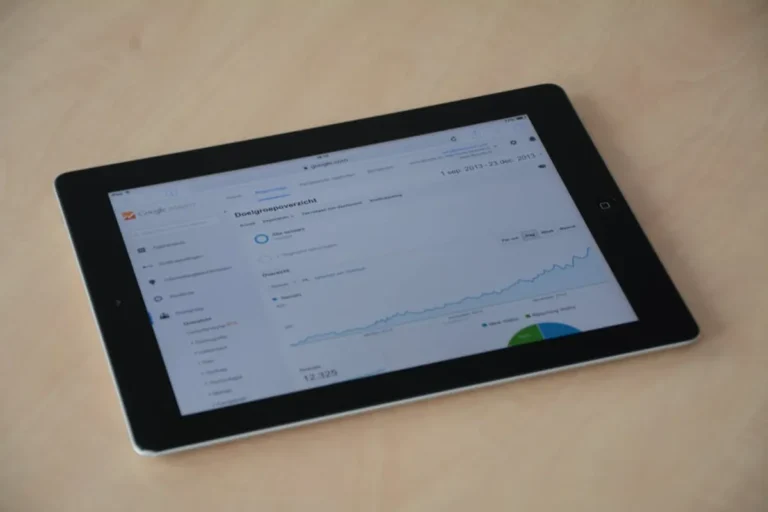
Monitoring search engine rankings is fundamental to understanding the efficacy of any search engine optimization (SEO) strategy. A SERP rank checker provides a systematic method for tracking how specific keywords perform in Google search results. This eliminates the manual, time-consuming process of searching for each keyword individually and offers a data-driven foundation for strategic adjustments.
For SEO professionals, marketers, and site owners, the core value of a rank checker lies in its ability to deliver consistent, objective data on keyword performance. This data helps identify opportunities, pinpoint declines, and measure the impact of content updates, technical optimizations, and link-building efforts. Without a reliable system for tracking these positions, SEO decisions become speculative rather than informed.
Automating Keyword Position Tracking
The primary function of a SERP rank checker is to automate the monitoring of keyword positions in Google's search results. Instead of manually performing searches, which can be inconsistent due to personalization and location biases, these systems query Google programmatically. This ensures a more objective and consistent snapshot of where a website ranks for its target keywords. Users typically input a list of keywords and the domains they wish to track, and the system then retrieves the corresponding SERP positions at regular intervals.
Benefits of automation:
- Efficiency: Frees up significant time previously spent on manual checks.
- Consistency: Provides uniform data collection, minimizing human error and search personalization bias.
- Scalability: Allows tracking of hundreds or thousands of keywords across multiple domains simultaneously.
- Historical Data: Builds a repository of ranking history, crucial for trend analysis.
Granular Data for Strategic Insights
Beyond simple numerical positions, effective SERP rank checkers offer granular data points that enable deeper analysis. This includes tracking not just the top 10 positions, but often the top 100 or more, revealing keywords that are "on the cusp" of page one visibility. Many systems also capture additional SERP features, such as featured snippets, local packs, image carousels, and video results, providing a more complete picture of search visibility.
Understanding which SERP features a site appears in can inform content strategy. For instance, if a site frequently appears in "People Also Ask" boxes, it suggests an opportunity to optimize content for direct answers to common questions. Conversely, a lack of presence in desired SERP features may indicate gaps in content format or markup.
Pro Tip: Always segment your keyword tracking by device (desktop vs. mobile) and location. Google's SERPs vary significantly across these dimensions, and a ranking decline on mobile in a specific city might be masked by stable desktop rankings nationally, leading to missed optimization opportunities.
Competitive Landscape Analysis
A critical application of SERP rank checkers is competitive analysis. By tracking not only a user's own domain but also those of key competitors, it becomes possible to benchmark performance and identify competitive strengths and weaknesses. This includes observing competitor keyword gains and losses, discovering new keywords they are ranking for, and understanding their overall search visibility trajectory.
This competitive intelligence directly informs content gap analysis and keyword strategy. If a competitor is consistently outranking for a cluster of high-value keywords, it prompts an investigation into their content quality, authority, and backlink profile. Conversely, identifying keywords where competitors are weak presents an immediate opportunity for market share capture.
Historical Performance and Trend Identification
The ability to store and visualize historical ranking data is indispensable. Over time, this data reveals trends, seasonality, and the long-term impact of SEO initiatives. A sudden drop in rankings for a broad set of keywords might signal a technical issue or an algorithm update, while a gradual climb indicates successful ongoing optimization.
Visualizing ranking fluctuations through charts and graphs helps communicate performance to stakeholders who may not be deeply immersed in daily SEO operations. It also allows for retrospective analysis, correlating ranking changes with specific site updates, content launches, or external events.
Leveraging Rank Tracking for Strategic SEO
Implementing a SERP rank checker transforms SEO from reactive troubleshooting to proactive strategy. The insights gained from consistent monitoring enable businesses to:
- Prioritize Efforts: Focus resources on keywords with the highest potential for improvement or those with significant commercial intent.
- Measure ROI: Quantify the impact of SEO campaigns by tracking ranking improvements and correlating them with traffic and conversions.
- Identify Threats: Detect drops in rankings quickly, allowing for rapid response to algorithm changes or competitive maneuvers.
- Refine Content Strategy: Understand which content resonates with search engines and users, guiding future content creation.
- Inform Keyword Research: Discover new keyword opportunities by analyzing competitor performance or identifying underserved niches.
Ultimately, a robust SERP rank checker provides the objective data necessary to make informed decisions, justify investments, and continuously refine a website's presence in Google's search results.
Frequently Asked Questions
How often should I check keyword rankings?
The optimal frequency depends on your SEO goals and the volatility of your industry. Daily tracking provides the most granular data for quick detection of changes, while weekly or bi-weekly checks can be sufficient for monitoring long-term trends and the impact of major updates.
Are all SERP rank checkers equally accurate?
Accuracy can vary. Reliable checkers use sophisticated methods to query Google, minimize personalization, and account for localization. Factors like proxy usage, data center distribution, and refresh rates contribute to the overall consistency and reliability of the reported positions.
Can a SERP rank checker help with local SEO?
Yes, many advanced rank checkers offer local tracking capabilities, allowing you to monitor rankings for specific keywords within particular cities, states, or even postal codes. This is crucial for businesses targeting local customers, as local SERPs can differ significantly from national results.
What should I do if I see a sudden drop in rankings?
A sudden drop warrants immediate investigation. Check for recent website changes (technical issues, content updates), Google algorithm updates, or significant shifts in competitor activity. Correlate the drop with specific keywords or page types to narrow down the potential cause.