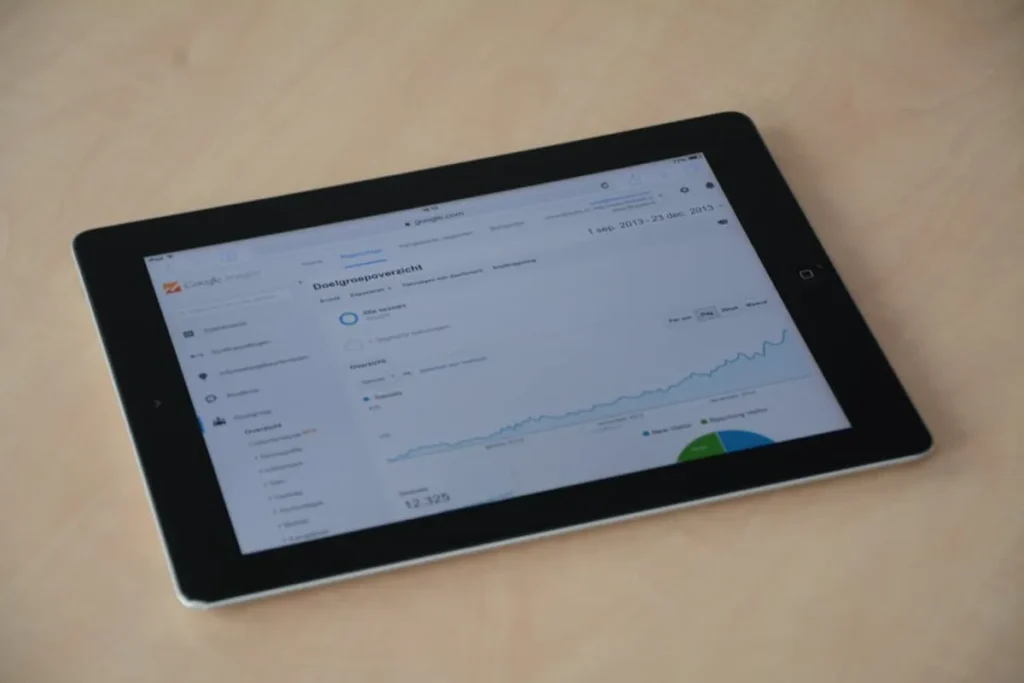
For any organization relying on organic search visibility, understanding search engine results page (SERP) positions is not merely an analytical exercise; it is a direct measure of market presence and content effectiveness. Daily SERP rank tracking moves beyond periodic snapshots, providing a continuous, granular view of how content performs against target keywords. This immediate feedback loop is critical for SEO professionals, marketers, and site owners who need to react swiftly to algorithm shifts, competitor actions, and the impact of their own optimization efforts. Opting for daily monitoring means trading less frequent, aggregated data for actionable intelligence that informs real-time strategic adjustments, directly influencing traffic acquisition and revenue generation.
The Imperative of Daily Position Monitoring
Tracking keyword positions daily offers a distinct advantage over weekly or monthly checks. Search engine algorithms update constantly, and competitor strategies evolve in real-time. A significant rank drop or gain, if left unnoticed for days, can result in lost traffic or missed opportunities. Daily data allows for immediate identification of these shifts, enabling rapid response. For instance, a sudden drop for a high-value keyword might signal a technical issue, a penalty, or aggressive competitor activity, all of which require prompt investigation and mitigation. Conversely, an unexpected surge can highlight successful content or link building, providing insights to replicate that success.
Key benefits of daily tracking:
- Early Anomaly Detection: Pinpoint sudden rank fluctuations caused by algorithm changes, indexing issues, or competitive actions before they significantly impact traffic.
- Rapid Campaign Impact Assessment: Immediately measure the effect of new content launches, on-page optimizations, or link acquisition efforts.
- Competitor Intelligence: Observe competitor movements and content performance in near real-time, informing proactive counter-strategies.
- Seasonal Trend Identification: Detect micro-trends and daily shifts in search demand, crucial for industries with volatile or time-sensitive offerings.
- Granular Performance Data: Build a rich historical dataset that reveals daily patterns, helping to predict future performance and optimize long-term strategy.
Pro Tip: While daily tracking provides granular data, focus your daily review on high-value, high-volume keywords and those exhibiting significant changes. Over-analyzing every minor fluctuation for every keyword can lead to analysis paralysis. Use alerts to flag critical changes, then dive into the data.
Core Features for Effective Daily Tracking
Effective daily SERP position tracking relies on more than just reporting a number. The underlying features determine the depth and actionability of the data.
Comprehensive Keyword Management
A robust system supports tracking a diverse range of keywords, from broad head terms to specific long-tail queries. This includes the ability to organize keywords into logical groups, assign tags, and filter by various attributes. The capacity to import and export keyword lists efficiently is also crucial for scalability and integration with other SEO workflows.
SERP Feature Monitoring
Modern SERPs are complex, extending beyond traditional organic blue links. Daily tracking should account for various SERP features, including featured snippets, local packs, image carousels, video results, People Also Ask boxes, and shopping results. Understanding daily shifts in these features provides a more complete picture of true visibility and click-through potential, as these elements often capture significant user attention.
Geographic and Device Segmentation
Search results vary significantly based on user location and device. For businesses targeting specific regions or those with a strong mobile presence, daily tracking must offer granular segmentation by country, state, city, and even postal code. Similarly, monitoring positions across desktop, mobile, and tablet devices provides essential insights into user experience and mobile-first indexing impact.
Actionable Reporting and Integration
Raw data is only valuable if it can be transformed into actionable insights. Daily rank tracking platforms excel when they offer flexible reporting and integration capabilities.
Customizable Dashboards and Alerts
The ability to create custom dashboards allows users to prioritize the metrics most relevant to their objectives. This might include daily rank changes for specific keyword groups, visibility scores, or competitor comparisons. Automated alerts, configured to trigger for significant rank drops or gains, ensure that critical issues or opportunities are never missed, even without daily manual checks.
Historical Data and Trend Analysis
Daily data accrues rapidly, building a rich historical archive. This historical context is invaluable for identifying long-term trends, understanding seasonality, and evaluating the cumulative impact of SEO efforts over time. Visualizations that plot daily rank changes against key events or algorithm updates can illuminate causal relationships and inform future strategy.
API Access and Integrations
For agencies and larger organizations, API access is a critical feature. It allows for seamless integration of daily rank data into proprietary business intelligence tools, client reporting systems, or other marketing platforms. This ensures that SERP performance data is not siloed but contributes to a holistic view of digital marketing effectiveness.
Leveraging Daily Data for Strategic Advantage
Daily SERP position monitoring transforms reactive SEO into proactive strategy. By consistently observing keyword performance, businesses can rapidly identify content gaps, optimize existing pages for better visibility, and adjust link building efforts to target specific ranking opportunities. This constant feedback loop empowers teams to make data-driven decisions, reducing wasted effort and maximizing return on investment from organic search channels. Ultimately, daily tracking serves as a foundational element for maintaining competitive relevance and achieving sustained growth in a dynamic search landscape.
Frequently Asked Questions
What is SERP rank tracking?
SERP rank tracking involves monitoring the positions of your website's pages in search engine results for specific keywords, providing insight into your organic visibility and performance.
Why is daily rank tracking important?
Daily rank tracking is crucial for detecting immediate changes in search engine rankings due to algorithm updates, competitor actions, or new content, allowing for rapid strategic adjustments and minimizing potential traffic loss.
How many keywords should I track daily?
The number of keywords to track daily depends on your website's size, target audience, and competitive landscape. Focus on a core set of high-value, high-volume, and strategically important keywords first, then expand as needed.
Can daily tracking help with local SEO?
Yes, daily tracking is highly beneficial for local SEO. It allows businesses to monitor their positions for geographically specific keywords and local pack results, ensuring they maintain visibility in their target service areas.