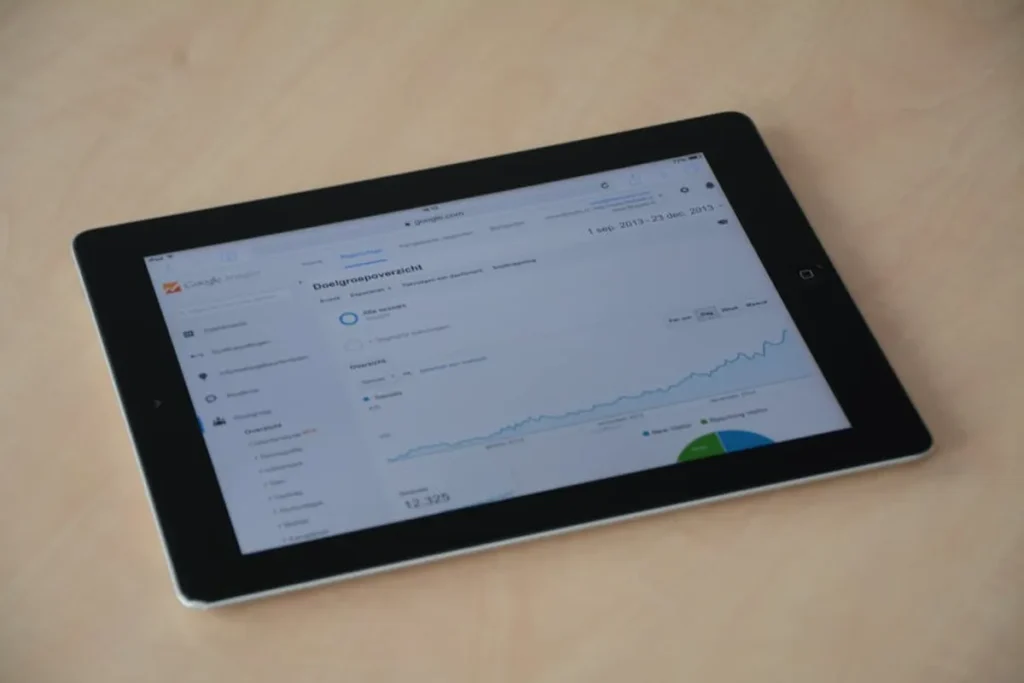
Accurately monitoring keyword positions forms a core component of any effective search engine optimization strategy. Raw ranking numbers, while foundational, provide limited insight without context. Businesses and SEO professionals require a precise understanding of where their content appears in search results, for which keywords, and under what conditions, to make informed decisions about content strategy, technical optimizations, and competitive positioning. The goal extends beyond merely seeing a number; it involves interpreting that number to understand visibility, opportunity, and impact on business objectives.
The Foundation of Accurate Position Monitoring
Understanding Keyword Selection and Segmentation
Effective rank tracking begins with a meticulously curated keyword list. This involves more than just identifying high-volume terms. A robust list includes a mix of branded terms (for brand protection and direct traffic monitoring), non-branded commercial terms (targeting purchase intent), informational queries (for top-of-funnel content), and long-tail phrases (which often have lower competition and higher conversion rates). Segmenting these keywords allows for targeted analysis, enabling you to assess performance for specific campaigns, product categories, or stages of the customer journey. For instance, tracking "best CRM software" separately from "CRM software features" provides distinct insights into different user intents. Developing this comprehensive list is a key step, and you can find a helpful rank tracking checklist to guide your efforts.
Geographic and Device Specificity
Search results are rarely universal. Geographic location significantly influences rankings, particularly for local businesses or services with regional relevance. A user searching for "plumber" in New York City will see different results than one in Los Angeles. Accurate tracking necessitates specifying the exact geographic location (city, state, country) from which positions are being monitored. Similarly, device type (desktop versus mobile) yields divergent results due to Google's mobile-first indexing and distinct mobile SERP layouts. Monitoring both provides a comprehensive view of your visibility across the user landscape, ensuring you address performance gaps specific to either platform.
Methodologies for Position Monitoring
Manual Spot Checks Versus Automated Systems
Relying on manual spot checks for keyword positions is unsustainable for any serious SEO effort. While a quick search for a single term might offer a snapshot, it lacks the consistency, scale, and historical data necessary for trend analysis. Manual checks are prone to personalization bias (your own search history influencing results), are time-consuming, and cannot capture the daily fluctuations inherent in SERPs. Automated rank tracking systems, conversely, query search engines programmatically, often from clean IP addresses and specified locations, to provide consistent, unbiased data. They collect and store historical positions, enabling you to identify trends, measure the impact of SEO changes, and forecast future performance. These systems are a far cry from the limitations of manual rank checking, offering superior accuracy and efficiency.
Data Collection Frequency and Granularity
The frequency with which keyword positions are checked directly impacts the recency and actionability of your data. Daily tracking provides the most granular view, allowing for rapid identification of algorithm updates, competitive shifts, or the immediate impact of new content. Weekly tracking offers a balanced approach for observing broader trends without being overwhelmed by daily noise. The choice depends on the volatility of your industry, the competitiveness of your keywords, and the pace of your SEO initiatives. Granularity also extends to tracking specific SERP features beyond the traditional "blue links." Monitoring positions within featured snippets, local packs, image carousels, or video results provides a more complete picture of your search presence.
Interpreting Rank Data Beyond Raw Numbers
Identifying SERP Feature Impact
A high organic ranking no longer guarantees top visibility or clicks. Search Engine Results Pages (SERPs) are increasingly rich with features like featured snippets, People Also Ask boxes, video carousels, and local packs. Appearing in one of these features, even if your traditional organic rank is lower, can significantly increase your visibility and click-through rate. Conversely, losing a featured snippet can severely impact traffic, even if your organic position remains stable. Understanding your presence within these features, and how they affect the "effective rank" or "true visibility" of your content, is critical for accurate performance assessment.
Competitor Tracking for Market Share Insights
Monitoring your competitors' keyword positions provides essential context for your own performance. If your rankings drop, but your competitors' rankings for the same terms also decline, it might indicate a broader algorithm shift rather than an issue with your specific site. Conversely, if your competitors are gaining ground while you stagnate, it signals a need to re-evaluate your strategy. Tracking competitor performance helps identify emerging threats, uncover new keyword opportunities they are exploiting, and benchmark your market share within the search landscape. This competitive intelligence informs strategic adjustments and helps maintain a proactive SEO stance.
Correlating Rank Changes with Traffic and Conversions
Rankings are a means to an end, not the end itself. The ultimate goal of improved keyword positions is to drive qualified organic traffic and, subsequently, conversions. It is crucial to integrate rank tracking data with web analytics platforms to correlate position changes with actual business outcomes. A significant jump in ranking for a high-volume keyword should ideally translate into increased organic traffic and potentially more leads or sales. If it doesn't, investigate factors like SERP feature saturation, poor meta descriptions, or low-quality landing page experience. Conversely, a slight dip in rank might not be critical if traffic and conversions remain stable or even improve due to other factors like SERP feature acquisition.
Pro Tip: To avoid data inconsistencies that skew analysis, establish a clear, documented methodology for your rank tracking parameters from the outset. This includes specific geographic locations, device types, and tracking frequencies. Any deviation, such as changing the tracked location mid-campaign, will corrupt your historical data and render trend analysis unreliable. Consistency ensures your historical data remains a valuable asset for long-term strategic planning.
Optimizing Your Rank Tracking Strategy
Effective rank tracking is an ongoing process, not a one-time setup. Regularly review your tracked keyword list to ensure it remains relevant to your business objectives and current market trends. Eliminate keywords that no longer drive value and add new ones as your content strategy evolves or new opportunities emerge. Pay close attention to keywords where you rank on the second or third page of search results, as these often represent "low-hanging fruit" – terms that could see significant traffic gains with targeted optimization efforts. Use the insights from your rank data to inform content updates, technical SEO adjustments, and link building campaigns. By continuously refining your tracking and acting on its intelligence, you transform raw position numbers into a powerful engine for sustained organic growth.
Frequently Asked Questions
How often should I check my keyword rankings?
For most businesses, daily rank tracking provides the most actionable data, allowing for quick responses to algorithm shifts or competitive movements. For less volatile industries or smaller sites, weekly tracking may suffice to observe broader trends.
Why do my rankings fluctuate daily?
Daily fluctuations are common due to factors like algorithm updates, personalization of search results, A/B testing by search engines, server load variations, and competitor activity. Focus on overall trends rather than individual daily shifts.
Can rank tracking improve my SEO directly?
Rank tracking itself doesn't directly improve SEO; it's a diagnostic tool. However, the insights gained from accurate rank tracking – identifying declining positions, discovering new opportunities, or understanding competitor moves – directly inform and guide effective SEO strategies, leading to improvements.